Site assessment and charging design
We review vehicle activity, dwell time, parking conditions, access, power availability and expected use before selecting equipment. We build the charging plan around the job the site needs to perform.

Cliff: Commercial fleet charging
We are developing an EV charging infrastructure network for commercial fleets, beginning in Lagos. We are working to establish first site and fleet partnerships. No Cliff charging stations are operating yet.
Who we are
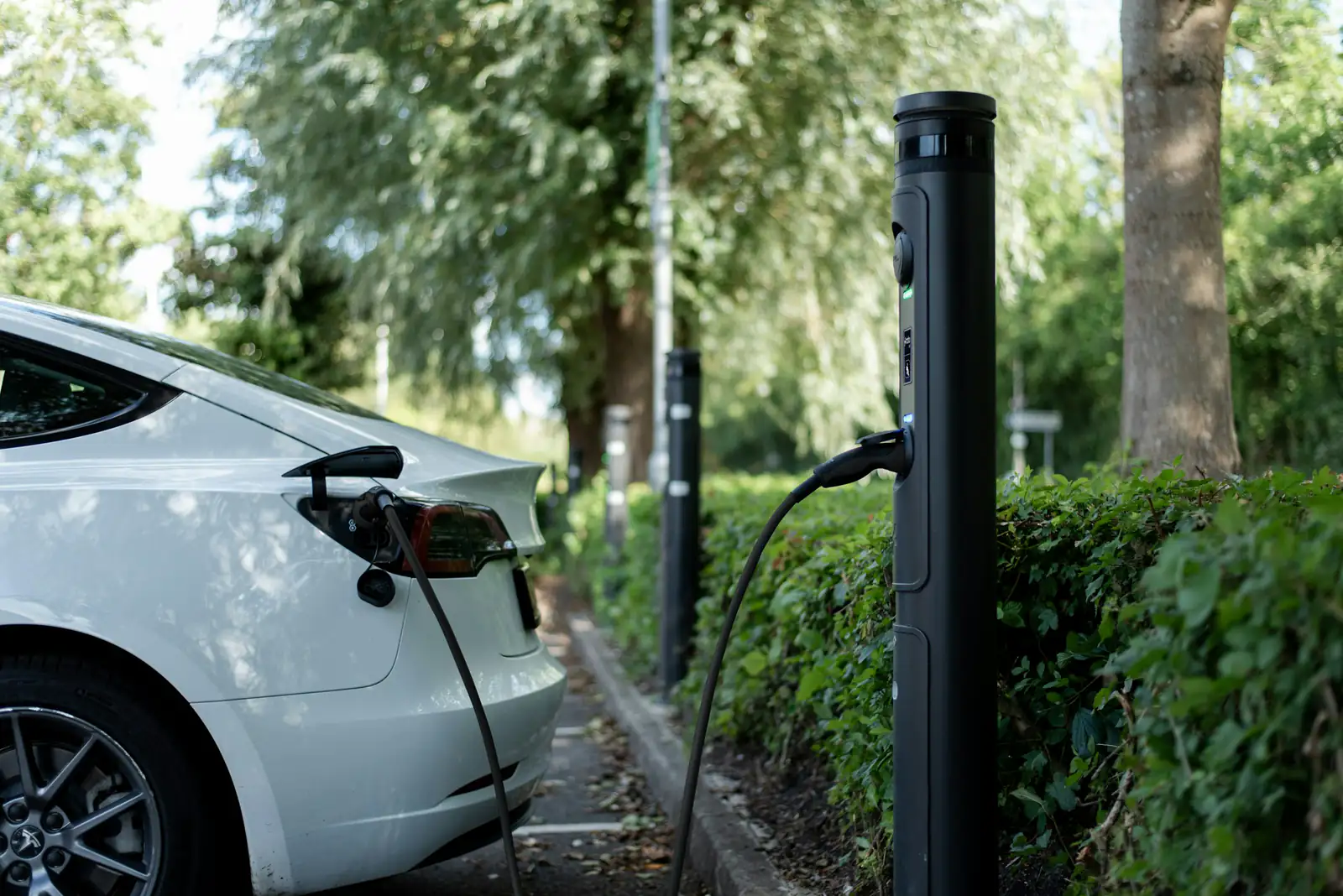
We are developing Cliff as a fleet focused charging infrastructure business, with the first proposed projects in Lagos.
Our first priority is charging for commercial fleets. A proposed depot or shared site must make sense for the vehicles, operating windows, available electricity and actual project costs.
Some future sites may serve one fleet. Others could serve several approved operators. Wider public access would depend on spare capacity and commercial need. These are proposed service models, not operational sites.
Why now
Africa's EV market remains early, but Lagos already has observable commercial fleet activity. We believe charging designed around fleet schedules and electrical conditions is worth developing.
Estimated electric car sales across Africa in 2025, up from approximately 4,000 in 2023, according to the IEA. These are regional sales, not Cliff demand.
RMI's estimate of total electric vehicles in Nigeria at the end of 2025, across vehicle types. This is not a verified count of customers or charging compatible fleets.
LagRide introduced 100 electric vehicles in September 2025. That is an observed market signal, not a commercial agreement with Cliff.
Sources: IEA Global EV Outlook 2026, RMI Nigeria research and LagRide announcement.
What we do
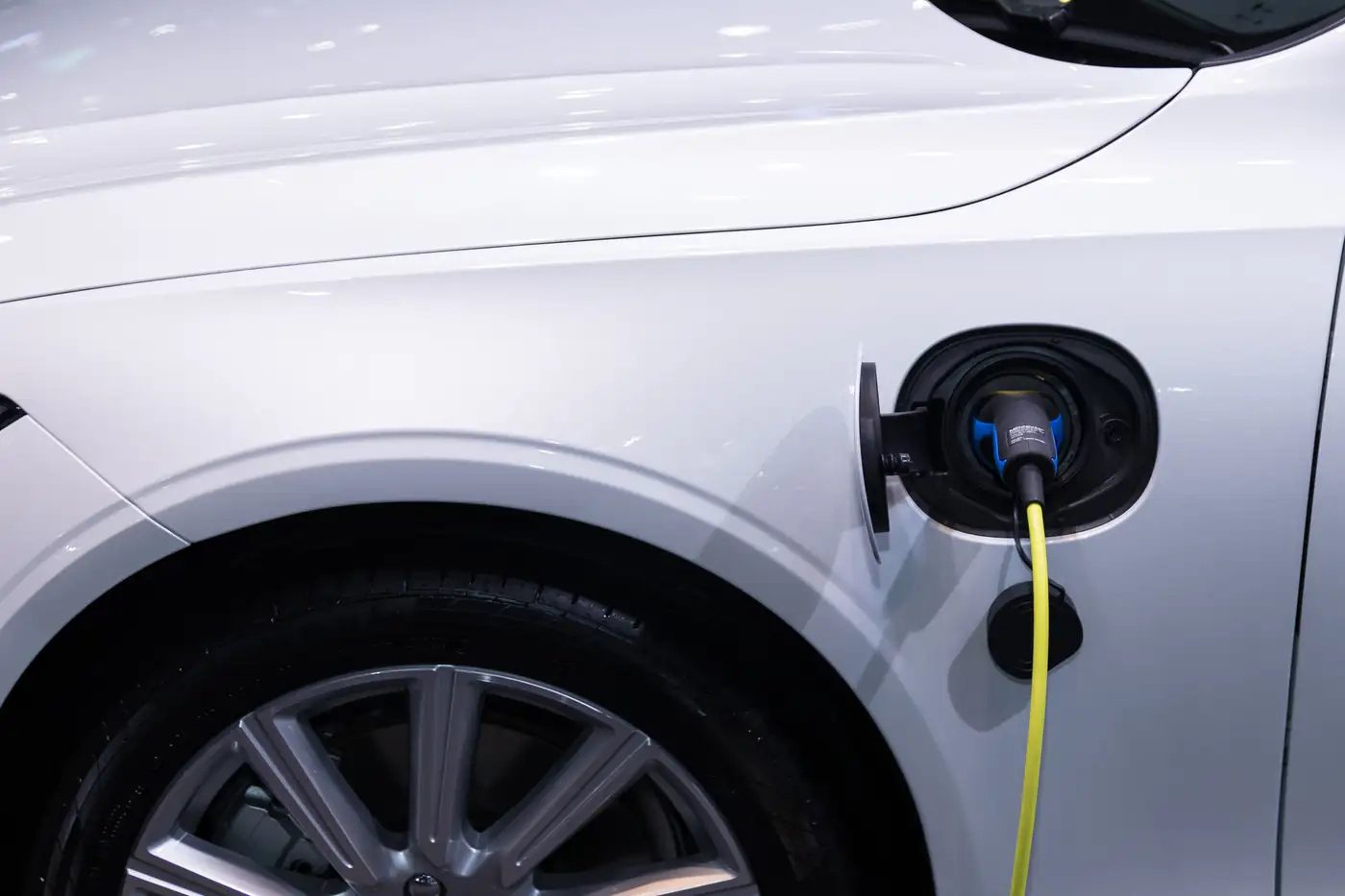
Charging hardware is one part of the work. We bring together the electrical plan, equipment, physical layout, access rules and operating support required to keep a site useful.
We review vehicle activity, dwell time, parking conditions, access, power availability and expected use before selecting equipment. We build the charging plan around the job the site needs to perform.
We evaluate available electrical capacity alongside the energy vehicles require and the time available to deliver it. We balance charger power, site capacity and operating demand before deployment begins.
We bring together charging equipment, electrical works, parking layout and site access, then install, configure and commission the complete system before regular use.
We configure each location for private, shared or public use according to the commercial and operating purpose of the site.
Once a site is commissioned, our operating model covers availability monitoring, equipment inspection, fault response and maintenance so charging can remain dependable day after day.
Where the property and electrical system allow it, we plan for future demand and add charging capacity as vehicle numbers and regular use increase.
Our infrastructure approach
We design the equipment around the electrical supply, the vehicles, the parking environment and the time those vehicles remain on site. A high-power charger in the wrong place can be less useful than a properly sized system that fits the operating day.
Our delivery model continues through commissioning and daily operation. Installed capacity matters, but dependable access to working infrastructure is what keeps vehicles moving.
Where we fit
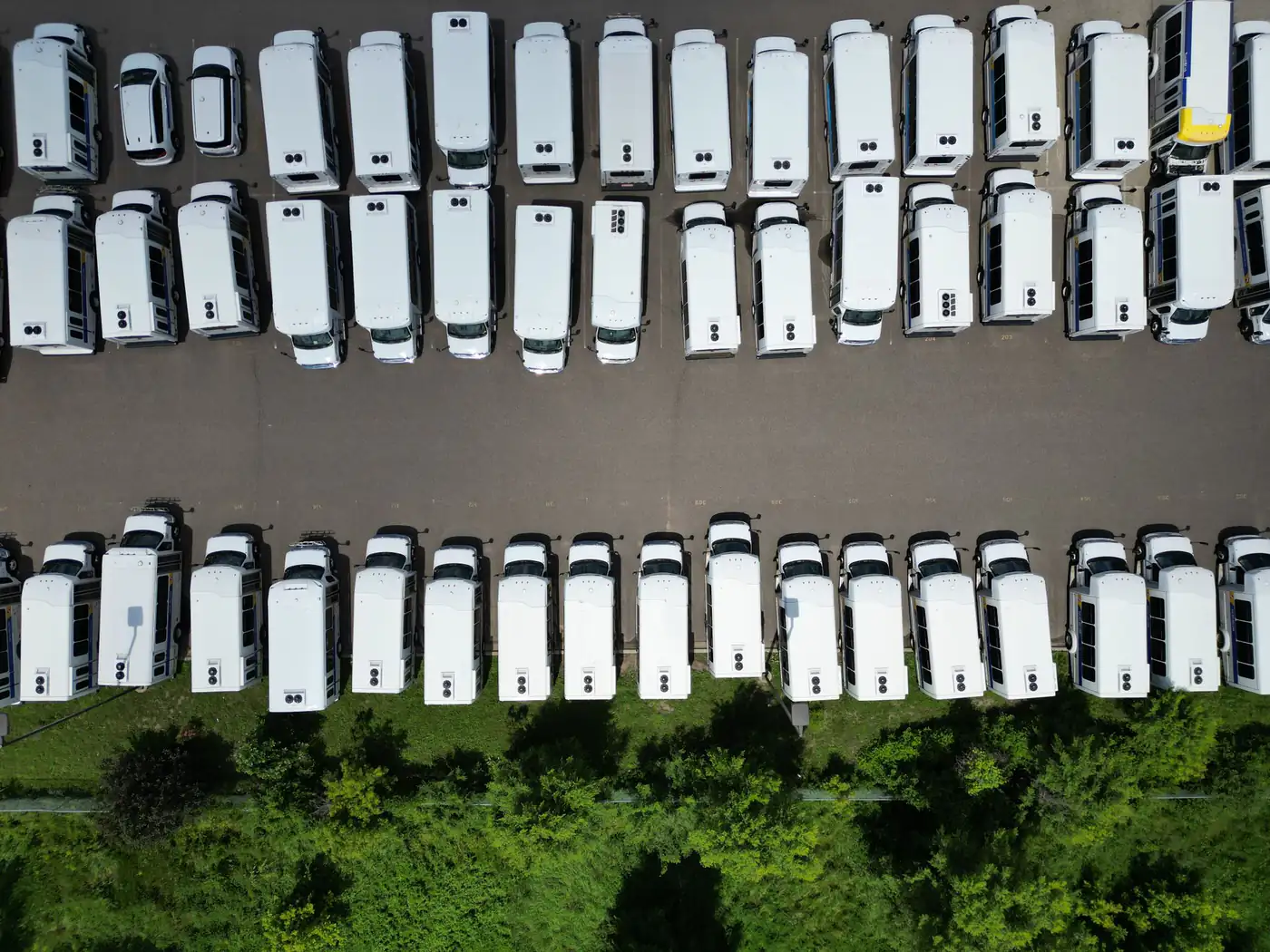
Our first customers would be commercial fleets with recurring charging requirements. Property owners, energy specialists and infrastructure partners can help create the suitable sites.
There is no operating Cliff network for drivers to use today. The initial projects must establish customer demand, technical feasibility and dependable service before wider access is considered.
How we work
We analyse the vehicles, routes, parking, access, dwell time and available electrical supply to establish exactly what the site needs to achieve.
We match charger power, quantity, electrical capacity and physical layout to the operating window and expected use.
We plan the electrical works, equipment positions, parking arrangements, protection, access and construction sequence required for the site.
We install the charging equipment and supporting electrical infrastructure, then configure the location for its intended users.
We test the installed system, confirm charging and access behaviour and prepare the location for regular operation.
Once the site enters service, we monitor availability, handle faults, maintain equipment and review capacity as the fleet, property or user base changes.
Access models
We configure access around who needs to use the location, when they need it and how the site fits the property or fleet it serves.
We dedicate charging capacity to a single fleet, company or approved group where the infrastructure forms part of a controlled transport operation.
We configure business parks, commercial properties and partner sites to serve multiple approved organisations or user groups under defined access rules.
We open compatible charging capacity more broadly under location-specific operating hours, pricing, parking rules and availability.
Our network
We do not force a depot, workplace and public charging location to behave the same way.
Each site keeps the access rules, capacity and operating hours that make sense for its users. We connect those locations through a consistent discipline for planning, commissioning, monitoring and maintenance.
As future locations are approved, we intend to expand coverage for fleets where continued demand and site operations justify it.
Deployment roadmap
We are seeking fleet and site partners for proposed initial Lagos locations. Site rights, power engineering, customer terms and financing come before construction. Wider access and other markets depend on what the first sites prove.
We secure fleet and property partners, assess power and parking, and define the first locations.
We will install, commission and operate the first sites, using real utilisation and operating data to guide what comes next.
Where a site has spare capacity and the right access model, we open it to additional approved fleets and drivers.
We add public and corridor locations where traffic, demand and site conditions support reliable operation.
Initial deployment partners
We are seeking fleet operators, energy specialists and property partners for our proposed first Lagos charging sites.
Discuss an initial projectInvestors and strategic partners
We welcome conversations about the Lagos investment case, project financing, site partnerships and what the first sites would need to prove.
Investment overview